Your Prairieville Animal Hospital Veterinarian and Preventive Care Guide
Choosing a veterinarian is more than picking a name on a sign. It is about finding a partner in your pet’s health, a team that sees your dog or cat as a whole being with a life story, routine, and unique needs. Prairieville families value consistent, thoughtful care, and that shows up in the way a clinic talks with them, plans long-term health, and explains the why behind every recommendation. This guide shares practical, experience-based guidance drawn from years in the field, with a focus on preventive care that lowers risk and extends quality time with your animal companion.
Where preventive care begins is often months before a first vaccination or a routine wellness exam. It begins with how you observe your pet at home, how you feed, exercise, and manage stress, and how you partner with your veterinarian to interpret subtle signals that may indicate shifting health. At Prairieville Animal Hospital, that partnership is built on clear communication, honest assessment, and an approach that respects the realities of busy lives and finite resources.
The practical backbone of preventive care rests on four pillars: vaccines, dental health, nutrition and weight management, and proactive screening. Each pillar has its own set of decisions, trade-offs, and boundary conditions. Understanding those helps you make choices that fit your pet’s age, lifestyle, and the specifics of their breed or medical history. Across the clinic floor, you will hear clinicians talk about data, about trends, and about small steps that prevent big problems later.
Vaccination is often the first health conversation you have with a new client. A well-planned vaccine schedule doesn’t merely shield a pet from single diseases; it creates a framework for ongoing health. The practical goal is to maintain immunity with the minimum necessary interventions while avoiding unnecessary discomfort or risk. In many cases, vaccines are bundled with other preventive services during the same visit for efficiency and convenience. The exact schedule depends on factors like age, exposure risk, and prior health status, but the principle remains constant: protect early, adjust as life circumstances change, and keep your veterinarian informed if there are any health concerns that might alter risk assessment.
Dental care deserves its own attentive plan. Pets do not tell us when their teeth hurt, but their behavior often reveals discomfort in quiet, persistent ways. Bad breath, reluctance to chew, or changes in eating patterns can signal dental disease, which is not merely a cosmetic issue but a source of inflammation and systemic effects. A preventive dental program typically includes professional cleaning under anesthesia, a home care routine, and periodic reassessment to track the progress. You’ll find the team at Prairieville Animal Hospital comfortable discussing the trade-offs involved, such as the need for anesthesia versus the risk of untreated dental disease in older pets. The key is early adoption, consistency, and realistic expectations.
Nutrition sits at the core of preventive health. Weight management is a practical, ongoing conversation rather than a one-off instruction. Just as with people, pets thrive when their energy intake aligns with daily activity, metabolism, and life stage. In practice, this means evaluating body condition scores, adjusting portions, and selecting foods that support joint health, coat condition, digestion, and cardiovascular wellness. It is common to encounter owners who assume “the lighter the better” without considering lean mass, muscle tone, and energy needs for growth or aging. A thoughtful plan uses measurable targets and periodic rechecks so that eating becomes part of a broader wellness strategy rather than a reactive response to a complaint.
Beyond the big four, preventive care includes skin and coat health, parasite control, and environmental risk management. Flea, tick, and heartworm prevention are not merely seasonal tasks; they are ongoing commitments that reduce the chances of disease spread and complications. Regular parasite screening provides early warning signs, especially in areas with variable climates or high exposure risk. Environmental risk management involves simple steps like reassuring safe chew items, managing access to toxic substances, and designing enrichment that reduces anxiety and behavior problems. The balance is simple: care that is thorough, practical, and sustainable within a family’s routine and budget.
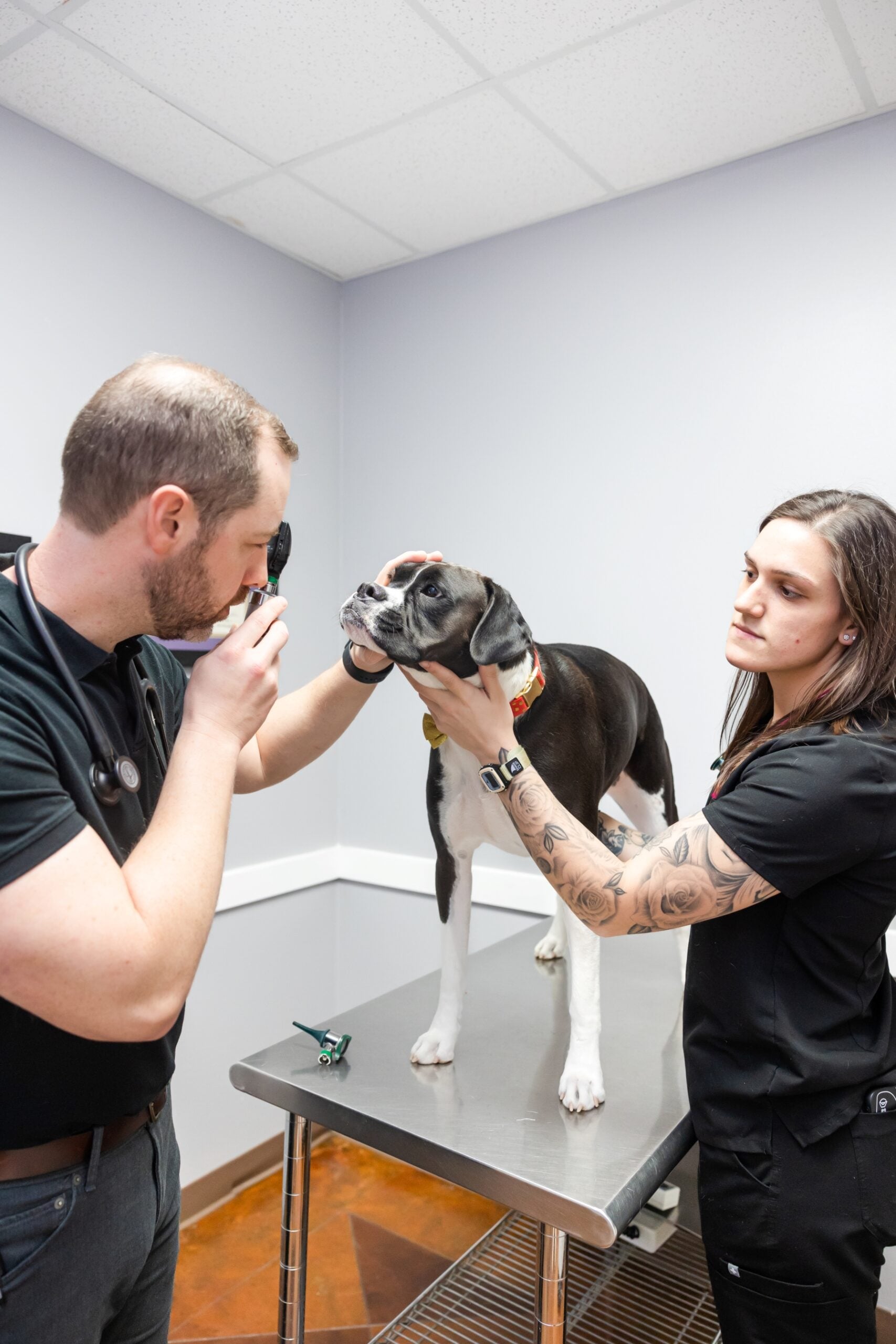
In-person examinations carry a lot of weight in preventive care. A typical wellness visit blends a physical exam, a discussion of lifestyle and diet, and targeted screening tests. The exam looks for subtle cues: the feel of joints during movement, the condition of the skin and mucous membranes, the lungs and heart, the abdomen, and the overall demeanor. It is a chance to catch issues early, well before you would notice a problem at home. The team uses this moment to listen, to explain how a small lab finding translates into a real-world implication, and to propose an action plan that fits with your priorities.
The most successful preventive programs are collaborative, continuous, and adaptable. They treat health as a dynamic journey rather than a checklist. This is not about chasing perfect outcomes; it is about setting realistic expectations, acknowledging constraints, and adjusting course when life changes. A family may see a series of small adjustments over several months yield a stable, healthy trajectory for their pet. The clinic’s role is to guide those adjustments with evidence, empathy, and clear options.
Below are two curated lists that illustrate practical actions you can take at home and at the clinic. They capture frequent questions and the kinds of decisions owners commonly face. Use them as a reference point, not a rigid formula. Your veterinarian will tailor recommendations to your pet’s exact needs.
What to expect during a preventive visit
- A thorough physical examination that checks eyes, ears, teeth, skin, joints, heart and lungs, abdomen, and overall condition.
- A discussion about lifestyle and environment, including activity level, stressors at home, and exposure to other animals.
- Routine lab work that may include a blood panel, a heartworm test if indicated, and fecal testing for parasites.
- Vaccination planning that aligns with age, risk, and prior vaccination history, with the goal of maintaining immunity with the fewest necessary injections.
- A clear plan for dental care, including recommendations for cleaning, at-home brushing habits, and follow-up intervals.
Care planning during the midlife and senior years
- Weight and body condition assessment with a targeted plan to maintain or regain ideal condition as activity levels shift.
- Screening for common age-related conditions such as dental disease, kidney function changes, thyroid or endocrine issues, and early degenerative joint disease.
- Education on symptom awareness so you can recognize subtle shifts in energy, appetite, or mobility.
- A discussion of probiotics and digestive health, especially if your pet experiences sensitive stomachs or face recurrent GI upset.
- Adjustments to vaccines or screening frequency based on evolving risk profiles and health status.
Two key considerations drive all these decisions: your pet’s comfort and your family’s capacity to follow through. There is no one-size-fits-all schedule in preventive care. The best plan is the one that remains manageable while delivering real health benefits, with measurable milestones you can track.
A practical view of common preventive scenarios helps bring these ideas to life. Consider the case of a middle-aged Labrador with seasonal roaming outdoors and a robust appetite. The veterinarian might propose a vaccination update aligned with her risk of exposure, a dental cleaning in the near term, and a proactive plan to manage weight as the dog enjoys longer daily walks and occasional treats. The plan would include a home dental routine, a feeding protocol that shifts with the dog’s activity, and a schedule for annual or biannual tests that monitor organ function and overall health. It is a shared plan, built on mutual trust and the understanding that prevention requires effort from both sides.
Another example involves an indoor cat with a tendency toward weight gain and stress-related urinary issues. The preventive conversation could focus on a tailored diet, environmental enrichment to reduce anxiety, and a screening strategy to monitor urinary tract health. Vaccines would be considered in light of risk factors, clinic visits would focus on interpretation of test results and adjustments in care, and owners would receive practical guidance on enrichment and daily routines that keep the cat healthy and engaged. The practical takeaway is that preventive care is not just about disease avoidance; it is about enhancing daily life through small, conscious choices.
One of the most challenging aspects of preventive care is the ordinary, recurring decisions that add up over time. For example, the cost of routine vaccines in a given year is a factor, but so is the value of early detection when a minor issue becomes bigger later. The clinic tries to present balanced options. Some owners prefer annual vaccines with a broader initial plan, while others opt for extended intervals with targeted testing in between. Likewise, dental care can be performed in a single session or as a gradual program that begins with home brushing and progresses to a professional cleaning when appropriate. Each approach has its own benefits and constraints, and the right choice often depends on the pet’s age, pain tolerance, and the owner’s ability to maintain a routine.
The role of the veterinary team goes beyond the exam room. It includes patient education materials, a patient portal for easy access to test results and follow-up instructions, and a willingness to revisit plans if home life changes. It also means being honest about uncertainty. Not every test has a clear mandate, and not all early signs will develop into a disease. Sharing that nuance helps keep decisions grounded in reality rather than fear or hype. You will notice clinicians who explain the probability of outcomes in practical terms, who discuss the trade-offs of different tests, and who respect your decisions even when they are not the choices they would personally recommend.
A note on accessibility and consistency is worthwhile here. Preventive care succeeds when families can rely on a steady, predictable schedule and a clinic that communicates in plain language. Scheduling, reminder systems, and accessible channels for questions all reduce the friction that can derail even the best plans. At Prairieville Animal Hospital the emphasis is on dependable care that fits into real life. If your schedule is erratic, the team works with you to carve out a manageable cadence, sometimes with more frequent check-ins during busy seasons and a lighter touch during calmer periods. The goal is to stay in step with your vet prairieville la pet’s needs without making health feel like a burden.
An honest, thorough preventive program is also a learning program. You learn what signals require attention, which routine routines are most effective in your household, and how your pet responds to different foods, activities, and environments. This ongoing education is a collaborative process. You bring observations from home, the vet brings clinical experience, and together you shape a plan that feels both practical and scientifically grounded. The result is a healthier animal and a family that understands what to watch for as life changes.
The environment in which preventive care takes place matters. A calm, well-lit clinic that treats every pet with patience and respect helps reduce stress and yields more accurate assessments. You can observe how clinicians handle anxious animals with gentle restraint and clear explanations. You’ll notice the attention given to aseptic technique, the careful handling of vaccines to minimize discomfort, and the meticulous record-keeping that ensures you never wonder what happened last year or last visit. These details matter, because health care is built on trust and continuity.
In the end, preventive care is a daily practice that extends through every routine and every decision. It is about reducing risk where possible, catching issues early when they are most easily treated, and maintaining a level of health that supports the life you want for your pet. It is a shared journey, with the clinic as a partner, not just a service provider. The more you invest in prevention, the more your pet reaps the benefits in energy, happiness, and longevity.
If you are preparing for a first visit to Prairieville Animal Hospital or transitioning from another clinic, you may wonder how to get the most out of the experience. A few practical steps can make a big difference. Gather a concise health history, including any past illnesses, surgeries, and medications. Bring a list of current supplements, vitamins, or flea and tick preventives. Note any concerns you want to address specifically, even if they seem minor. Arrive with a record of your pet’s daily routine, including typical meals, treats, and activity levels. The more you can share in the moment, the more precisely the veterinarian can tailor a preventive plan to your pet.
If your pet has special needs, such as a chronic condition or a sensitive temperament, communicate that clearly. The team is usually prepared to adjust exam length, adapt handling techniques, and provide written instructions for home care after visits. For older pets, plan for longer appointments and more frequent check-ins. The goal is to avoid surprises, minimize stress for your animal, and maintain steady progress toward health milestones.
In the longer run, preventive care aligns with broader goals that families set for their pets. Some owners prioritize longevity and minimal medical intervention; others emphasize a high level of daily function and comfort. The clinic respects these goals and helps translate them into concrete actions: appropriate vaccination plans, balanced nutrition, regular exercise, dental hygiene, and timely diagnostics. The outcomes are measured not only in lab numbers or weights but in how your pet moves through the day with less stiffness, more curiosity, and fewer episodes of discomfort.
The value of a good preventive program also shows up in unexpected places. A well-timed vaccination can prevent a potentially serious infection in a local season when disease risk is high. Regular dental care can prevent tooth loss and the associated pain, while also reducing the risk of heart and kidney complications tied to chronic dental disease. Routine blood work can detect subtle shifts in organ function years before symptoms appear. Each of these benefits compounds over time, often translating into healthier aging for your animal companion.
If you are seeking a veterinary partner who brings practical expertise to preventive care, Prairieville Animal Hospital offers a comprehensive approach grounded in real-world experience. The clinicians combine careful physical exams with thoughtful conversations about lifestyle and environment. They translate laboratory data into actionable recommendations and provide clear explanations about the expected trajectory of care. The aim is not to upsell or overwhelm, but to create a sustainable plan that you can implement with confidence.
The preventive care program is not static; it evolves with advances in veterinary medicine and changes in your pet’s life. If your family adds another pet, moves to a new home, or shifts work schedules, the plan can be revisited. If your pet experiences a new health concern, the team re-evaluates risk, revises the approach, and communicates clearly about what comes next. The underlying philosophy remains consistent: care that is informed, practical, and respectful of your pet’s individuality.
In summary, a strong preventive care program rests on a blend of science, experience, and thoughtful conversation. It is about protecting your pet’s health while supporting your family’s ability to maintain consistent, manageable routines. It is about building a relationship with your veterinarian that endures through the long arc of a pet’s life. If you are a Prairieville resident or anyone exploring veterinary options near Prairieville, consider how a clinic’s preventive mindset aligns with your goals. The best care is proactive, patient-centered, and sustainable across the years.
Two practical enhancements you can implement this season, regardless of where you receive care, include scheduling a mid-year wellness check that focuses on early detection and reinforcing home routines. Also, set a short-term goal, such as improving dental care or adjusting a diet to reach a healthier weight. Small, tangible targets are easier to sustain and can yield meaningful benefits over time.
The health of a pet is never a solitary achievement. It is the result of daily choices, a steady partnership with your veterinary team, and a shared commitment to a life that balances activity, comfort, and joy. Prairieville Animal Hospital understands that balance intimately. They have earned their place by turning preventive care into a practical, humane, and effective practice that respects the realities of modern family life while delivering reliable, evidence-based medicine.
If you want to explore more about the clinic, consider reaching out for a consult. Bring your questions, your observations, and your hopes for your pet. You will find clinicians who are patient listeners, direct communicators, and thoughtful problem solvers. They are not here to push fads or headlines but to help you understand what will work best for your animal in your current world. And in the end, the best outcome is a pet who stays vibrant, comfortable, and connected to the family that loves them.
A final note on community and continuity. Veterinary care thrives when families feel supported in the long run. The Prairieville community benefits from a clinic that balances technical skill with compassionate, practical care. Whether you are navigating a routine wellness exam, troubleshooting a behavioral change, or planning care for a senior pet, the path forward is clearer when you have a trusted partner by your side. The goal is simple: a healthier pet, happier home, and less worry about what comes next.