Prairieville Animal Hospital Vet Clinic: Customer Education and Resources
Choosing a veterinary practice is less about a single visit and more about a relationship you build with people who understand your pet’s daily life and long-term needs. Prairieville is a place where care extends beyond exams and vaccines. It’s a system built on clear communication, accessible resources, and a practical approach to keeping your companion healthy. The clinic I have in mind has earned trust not by flashy statements but through reliable routines, empathetic staff, and a willingness to adapt to different families and animals.
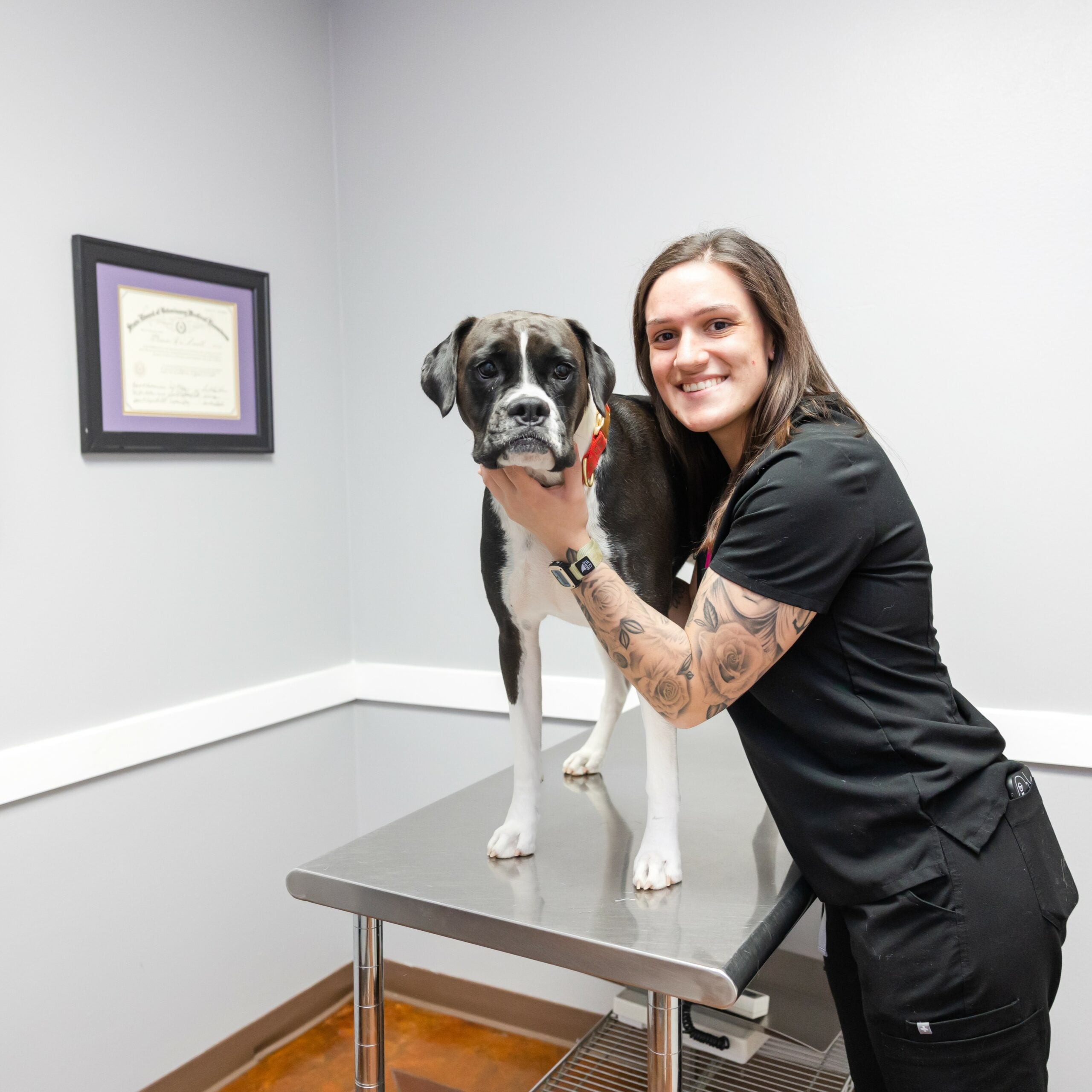
From the moment you walk in, you feel a rhythm that comes from years of hands-on practice. A well-lit reception area, quiet spaces for waiting, and rooms that invite you to discuss concerns without feeling rushed form a backdrop for every appointment. The real work occurs in the exam rooms, where a veterinarian Prairieville Animal Hospital visits with detail and patience. This is where you learn what is happening with your pet and what options are realistic for your situation. The veterinarian isn’t just diagnosing a problem; they are guiding you through choices that align with your budget, your pet’s temperament, and your family’s daily life.
The practice philosophy leans into preventative care as a cornerstone, but it doesn’t stop there. It recognizes that prevention is not a single service but a continuous habit. Regular wellness checks, age-appropriate screenings, and targeted education for owners become a continuous loop rather than a one-off event. In real terms, that translates into reminders about vaccines, personalized parasite control plans, and a plan for dental health, which is sometimes overlooked but essential for long-term well being.
Digital access is not an afterthought. Prairieville Animal Hospital keeps the conversation open through a website that acts as a trustworthy portal rather than a one-sided brochure. If you want to review vaccination requirements, explore nutrition guidance, or find forms before your visit, prairievilleanimalhospital.com offers a practical path. The clinic’s online presence is not about marketing flare; it’s about reducing friction for families who are juggling work, kids, and a veterinary appointment that matters.
This article is designed to be a practical resource for current and prospective clients. It weaves through everyday realities, such as what to expect on a first visit, how to manage chronic conditions, and how to take charge of your pet’s health between appointments. You will encounter concrete tips, real-world scenarios, and a steady stream of insights grounded in decades of clinical experience.
A solid first impression is followed by a consistent routine. The clinic operates on a predictable cadence that keeps pets comfortable and owners informed. You’ll notice that vaccines are administered with careful timing and clear explanations about potential side effects, when to expect them, and how to report issues if they arise. Routine procedures are explained in plain language, with an emphasis on what each step accomplishes for your pet. This is the kind of transparency that makes people feel confident when they leave the clinic and carry that information into their daily lives.
The care framework also accommodates the realities of different pets. Some dogs thrive on a brisk exam that moves quickly; others need a slower pace and a familiar comfort map. Cats, often more sensitive to the environment, benefit from a calm room setup, soft lighting, and a minimal passing crowd. Staff members learn to read the room, then adjust their approach in the moment. It is a nuanced dance of temperament, history, and the specifics of what a particular animal needs at that visit. The outcome is not a single perfect moment but a steady series of interactions that build trust over time.
What makes the veterinary team at Prairieville Animal Hospital stand out is their willingness to partner with owners. They teach you to observe at home, to log changes, and to bring thoughtful questions to every appointment. It’s not about delivering a verdict in the moment; it’s about building a plan that remains flexible as a pet ages or as life circumstances shift. This sense of partnership extends to practical resources designed to support busy families. The clinic’s staff knows that owners are juggling a lot and that sometimes the best path forward is a clear, written plan that you can reference week after week.
For owners who want more than a quick checkup, the clinic’s resources flow across several channels. Educational materials are available in the clinic and online, spanning nutrition, behavior, exercise, and preventive care. You will find reference guides that break down complex topics into digestible chunks, with diagrams and photos that help you understand what is happening with your pet’s health. The aim is not to overwhelm but to empower you to make informed decisions in a timely manner.
In practice, this translates to a number of small, but meaningful, routines that you can rely on. An initial wellness exam often includes a cardiovascular and dental screen, a discussion of diet and weight management, and a tailored parasite prevention plan. The exam is followed by the creation of a personalized wellness timeline. This timeline becomes a working document that reminds you when to schedule vaccines, when to recheck blood work, and when to address emerging concerns, such as changes in appetite or energy levels.
A core element of any veterinary collaboration is precision in communication. At Prairieville Animal Hospital, you’ll hear direct, concrete explanations about diagnoses, treatment options, and the likelihood of outcomes. The veterinarians are careful to align medical recommendations with the realities of your home life. They acknowledge that a treatment plan that works in the clinic may require adjustments at home. They also recognize when a family faces financial constraints and work with you to prioritize essential interventions while keeping your pet's welfare intact.
This is also a place where clients can ask the tough questions without fear of judgment. How will a treatment affect a senior pet with multiple conditions? What are the long-term implications of a surgical option? If you are trying to decide between medical management and a surgical solution, the team will outline the trade-offs, share practical timelines, and help you weigh the options against your goals for your pet’s quality of life.
In terms of accessibility, the clinic aims to remove friction wherever possible. Appointment scheduling is straightforward, with flexible options for mornings, evenings, and weekend slots when available. The staff is trained to handle urgent concerns without creating the sense of chaos that sometimes accompanies a pet emergency. Even in urgent moments, the approach remains calm and organized, which helps to reduce anxiety for both pets and owners.
The practical impact of all these elements is a transparent, collaborative experience. You know what to expect, what you are paying for, and why certain steps are recommended. The veterinary team provides clear expectations, so there are fewer uncertain moments after you leave. This clarity extends to post-visit instructions. When you receive discharge guidance, it comes with explicit action steps, a realistic timeline, and contact information should you need to reach the clinic outside regular hours.
Over time, the clinic’s educational efforts grow into a resource network. There are workshops on topics such as puppy socialization, senior pet nutrition, and dental care at home. The workshops are not mere demonstrations; they are practical sessions where owners can learn, practice, and ask questions in a supportive environment. The clinic’s goal is to build a community around pet health that extends beyond the exam room.
Two core areas deserve particular attention for their everyday usefulness: nutrition guidance and dental care. Nutrition is not a one-size-fits-all service. The team will consider breed tendencies, activity level, age, and any medical conditions when advising on portions, feeding schedules, and food brands. It’s about balancing calories with energy needs, avoiding overfeeding, and recognizing the signals your pet gives when they are satisfied but still hungry. The nutritional conversation frequently includes a review of treats and table scraps, with practical boundaries that you can implement without drastically changing your household.
Dental care remains a cornerstone of long-term health. The practice emphasizes routine dental cleanings when indicated and provides education on brushing techniques that fit your pet’s personality. For some animals, desensitizing the mouth to handling is a necessary first step, followed by a gentle introduction to brushing. The emphasis is on small, achievable milestones that compound into meaningful improvements in breath, gum health, and overall comfort during meals. In the long run, periodontal health supports heart and kidney health, linking dental practices to broader well-being.
Owners come away from visits with a clear sense of next steps. A typical conversation might include vaccination schedules, parasite prevention plans, dietary adjustments, and a plan for routine screenings. The clinic’s philosophy is to empower you to maintain your pet’s health between visits. This means practical checklists you can use at home, reminders delivered via text or email, and a user-friendly online portal that stores your pet’s medical history, vaccine status, and upcoming appointment dates.
As for the day-to-day operating realities, there are some logistical details that keep things running smoothly. The clinic uses standard, widely accepted protocols for vaccination and anesthesia, and it documents all procedures in a way that is easy for owners to understand. If a pet needs blood work or imaging, you will typically receive a straightforward explanation of what the test results mean, how they guide the next steps, and what to expect in terms of potential costs and timelines. The goal is not to surprise you with a sudden bill, but to prepare you for what is required to obtain a complete understanding of your pet’s health.
The veterinarian Prairieville Animal Hospital team you encounter may come from a range of backgrounds, each bringing a unique perspective to how they approach care. Some clinicians emphasize preventive medicine and client education, while others shine in surgical procedures or emergency care. You will likely notice a blend of approaches that converge on the same patient-centered outcomes. This is not a place where you are pushed toward a single path; it is a space where different options are explored with openness and respect for your preferences.
With all these elements in place, you might still wonder how to get the most out of a visit. The following practical guidelines are designed to help you maximize value without adding stress.
What to expect on a first visit and how to prepare A first visit is a moment to establish a baseline for your pet’s health and to learn how the clinic handles care. In most cases, the team will start with a friendly intake process that gathers essential information: your pet’s age, weight, medical history, current medications, and any concerns you want to address. It is helpful to bring along a list of questions or observations you have noticed since the last visit or since you adopted your pet. Observations can include changes in appetite, energy level, urination or defecation patterns, or unusual vocalizations. The goal is to create a dialogue that starts from a shared understanding of what is typical for your pet and what might require closer attention.

During the exam portion, the veterinarian checks vital signs, listens to the heart and lungs, and assesses the body condition score. They will assess joints, paws, and skin, looking for subtle cues that might reveal underlying issues. If dental concerns are present, you may hear about plaque buildup or gum health and what steps to take to address them. Depending on the animal’s age and risk factors, the clinician might recommend baseline blood work or a fecal test to screen for hidden conditions. The results provide a map for follow-up care, but they are not a verdict. They serve as a guide to optimize health over the next several months or years.
If vaccines are due, the clinician see details will discuss the benefits and potential short-term side effects. Many owners appreciate a straightforward explanation of why a particular vaccine is recommended at a given age and how it protects the animal’s immunity. You will be given a clear plan for when to return for boosters and what signs would warrant quick contact with the clinic. For pets with chronic conditions, the first visit often includes a careful review of current treatments and any recent changes in their condition. The veterinarian will work with you to adjust plans in a way that aligns with your daily routines and your pet’s tolerance for medical care.
Communication after the visit is equally important. You may receive a summary email or portal note that outlines what was discussed, the treatment plan, and any follow-up instructions. If a home care routine involves medications, the instructions will specify how and when to administer them, potential interactions with food, and what to do if a dose is missed. This level of detail helps to avoid confusion and promotes a smoother recovery or ongoing management.
The value of a reliable veterinary partner shows up most clearly in how the clinic handles emergencies and urgent care. When a pet is unwell after hours or over a weekend, the team has a framework for triage and guidance. The philosophy here is to stabilize whenever possible and to communicate transparently about what comes next. The goal is not to create fear but to ensure that families have a clear sense of what to expect and what steps they should take to protect their pet during a critical moment.
Beyond the basics, the clinic invests in education that travels with you home. Expect take-home resources that redefine what you know about feeding schedules, weight management, and behavior. It is not unusual to receive a succinct list of at-home steps you can begin immediately after leaving the clinic. These little accelerants matter because they turn intentions into actions. When pet owners implement practical recommendations, the effects accumulate over weeks and months, often yielding measurable improvements in energy, coat condition, and overall happiness.
The practice is careful about its approach to surgical procedures as well. If your pet needs an operation, the veterinarian will walk you through why the procedure is necessary, what the risks are, and what the expected recovery looks like. You will learn about anesthesia safety, postoperative pain management, and activity restrictions that help your pet heal. Real-world cases show how careful planning reduces complications and how patient families can play a crucial role in a smooth recovery. The clinic rarely relies on one-size-fits-all solutions; instead, it tailors surgical plans to the individual animal and the family’s capacity to manage care during convalescence.
A note on behavior and training. Many pets benefit from behavioral guidance that complements medical care. The team can offer behavioral resources or refer you to trusted specialists who can work with you on training plans, environmental adjustments, and enrichment strategies. The relationship between behavior, environment, and health is often understated, but it is a key area where a veterinary team can provide practical, compassionate guidance. If your pet shows signs of stress in new situations, the clinic can suggest incremental exposure plans and home routines that ease anxiety without compromising safety.
Two concise lists capture practical guidance you can use immediately. They are intentionally compact, designed to be easy to reference during busy days.
What to do ahead of a visit to maximize time and outcomes
- Write down any changes you have noticed in your pet over the past few weeks, including appetite, energy, bathroom habits, and sleep patterns.
- Bring a current medication list and any supplements your pet is taking, along with the doses.
- Have a basic vaccination history on hand if you know it, especially if you are visiting a new clinic or have recently moved.
- Note any questions about behavior, diet, or recent illnesses so you can address them in the exam.
- Bring a favorite toy or a familiar blanket to help your pet feel more secure in the exam room.
How to interpret your pet’s health actions once you leave
- Review the written plan you receive and mark follow-up dates on a calendar or in your phone.
- Track any medications you administer, including start and end dates, and any observed effects.
- Maintain a simple log of daily activity, appetite, and mood to compare with subsequent visits.
- Prepare your pet’s space at home to support recovery or routine care, such as a quiet resting area or a designated feeding zone.
- Contact the clinic promptly if you notice sudden changes or new symptoms that worry you, rather than waiting for the next appointment.
In addition to these practical steps, there are some edge-case scenarios that illustrate the thoughtful flexibility of the Prairieville Animal Hospital approach. For example, a family with several pets always sits with the same receptionist when possible. The predictability helps keep vaccination reminders consistent and reduces the chance of missing an important date. On the other hand, a client dealing with a sudden medical diagnosis for a senior dog might benefit from a rapid, same-week consultation to discuss palliative care options or adjustments in medications. The clinic meets these needs by balancing dependable routines with a readiness to pivot when life throws a curveball.
The broader education strategy goes beyond the clinic walls. The website prairievilleanimalhospital.com is part of a larger effort to extend care into the home. You can access basic educational materials that explain how to interpret common test results, how to read food labels on pet food, and why certain vaccines are scheduled at particular ages. The education is practical, with clear explanations that you can bring to your own discussions with your veterinarian. This transparency helps to reduce anxiety, especially for new pet owners who might feel overwhelmed by the volume of information that arrives at once during a first visit.
The clinic’s patient-centric approach makes a difference in how families feel about care over time. When a pet has a chronic condition such as arthritis or dermatitis, the team helps you navigate treatment choices with a focus on quality of life. They explain the pros and cons of each option, provide an estimated timeline for expected results, and help you establish realistic goals for daily activities and enjoyment. The discussions are anchored in practical realities rather than theoretical possibilities. If a plan requires adjustments because the pet’s response is not as expected, the veterinarian will work with you to modify the approach quickly and effectively.
A critical piece of the experience is the team’s attention to the emotional needs of families. Caring for a sick pet often blends medical concern with emotional strain. The staff demonstrates empathy while maintaining clarity about medical facts. This balance is essential because families need to feel supported even when the news is uneasy. The clinic staff learns to recognize when a family is overwhelmed and to offer space for questions, additional explanation, or a slower pace in the conversation. The result is an environment where you can make informed decisions without feeling pressured.
In the end, what you want from a veterinary practice is not just expertise but reliability and accessibility. Prairieville Animal Hospital excels in delivering both. The clinicians bring broad skill sets and a track record of practical problem solving that translates into real benefits for pets and their people. The clinic’s emphasis on prevention, education, and collaborative care resonates in everyday practice. You leave with a plan you can implement, a clear sense of the options before you, and the confidence that if something goes wrong, you have a partner you can turn to.
To sustain this level of care, the practice relies on a few guiding principles that owners can appreciate. Consistent communication is the thread that ties appointments together. If you missed a message or misunderstood a recommendation, you have a straightforward path to reconnect with the clinic and reset the plan. The team also prioritizes transparency around costs and procedures. They provide estimates and discuss what is included in the price so you can plan accordingly, reducing anxiety around the financial aspects of care.
The clinic’s approach to nutrition, behavior, and preventive care reflects a broader philosophy: care is most effective when it is personalized and proactive. A tailored plan often begins with a careful assessment of your pet’s lifestyle. For a working dog that spends long hours outdoors, the energy expenditure is different from a cat living mostly indoors. Those differences guide caloric targets, exercise recommendations, and even the timing of meals. This attention to daily life helps ensure that medical advice does not feel abstract or unrealistic.
As you consider Prairieville Animal Hospital as a potential partner for your pet, it is worth reflecting on the kinds of outcomes you want from veterinary care. Some families prioritize quick, decisive action when a problem arises. Others value long-term planning that aligns with their pet’s aging process and evolving needs. The clinic adapts to both mindsets by offering clear, evidence-based guidance while remaining flexible enough to accommodate changes in a pet’s health status or a family’s circumstances.
The value of a strong veterinary relationship becomes especially clear during the later years of a pet’s life. Senior pets often require a combination of preventive care, disease management, and comfortable, supportive care. The veterinary team can help you develop a gentle, manageable plan that maximizes comfort, maintains mobility, and preserves a sense of well-being. Regular checkups, careful monitoring, and timely interventions become essential components of a high-quality aging experience for your animal companion. The clinic provides honest assessments, practical recommendations, and a humane approach that respects both the animal and the family.
If you are considering a first visit or are new to the Prairieville area, you may find it beneficial to tour the clinic before scheduling a full appointment. A short visit can help you observe how the staff interacts with pets, how rooms are organized to minimize stress, and how information is communicated to clients. You may notice the quiet, deliberate pace in the exam rooms, the way saliva and breath are treated with courtesy, and the careful handling that prioritizes the animal’s comfort. These are not just moments of routine practice; they are signals of a culture oriented toward humane, compassionate care.
The stories you hear from other pet owners often echo the same theme: a clinic that treats people with respect and dogs, cats, and other companions with competence. It is not about a single miracle cure or a dramatic rescue; it is about the ordinary, reliable interactions that keep pets healthy and families confident. Over years, the cumulative effect of steady care becomes a measurable difference in the quality of life for pets and the peace of mind for owners. This is not a marketing promise; it is a lived experience that has grown through repeated visits, careful guidance, and a willingness to adjust course as needed.
In sum, Prairieville Animal Hospital vet clinic embodies a practical, compassionate approach to veterinary medicine. It blends medical rigor with everyday practicality so families can incorporate health care into their routines without disruption or confusion. It respects the realities of busy lives while insisting on the essential standards that keep pets safe, comfortable, and well cared for. If you are seeking a partner in your pet’s health, this clinic offers a thoughtful, evidence-driven path forward—one that treats your family as a unit and your pet as a cherished member.
The value of this partnership shows in the consistency of care you receive year after year. You begin to anticipate the predictable routine: a thorough wellness exam, an open discussion about concerns, a practical plan for the coming months, and a clear, accessible path for what to do if something changes between visits. The essence of good veterinary care is not a dramatic moment but a dependable sequence of small, meaningful actions that sustain health and happiness over time. Prairieville Animal Hospital veterinary practice captures that essence in a way that feels honest and grounded, grounded in real-world experience, not marketing promises.
If you want to understand the full scope of what this clinic can offer, the best next step is a conversation. Reach out, ask questions, and bring your pet’s history and your goals for care. The staff will help you navigate the options and set up a plan that makes sense for your family. The aim is straightforward: keep your pet healthy, comfortable, and engaged with their life, while giving you the information you need to participate actively in that health journey. That shared responsibility is what elevates veterinary care from a routine service to a trusted partnership that lasts for years.