Pet Wellness Exams at prairievilleanimalhospital.com: What to Expect
When I walk into a busy clinic, the schedule often tells me more than a list of appointments. It tells a story about the pets who come through the door and the people who bring them. A pet wellness exam is not a single moment but a quiet conversation built on observation, history, and practical care. Prairieville Animal Hospital has earned a reputation for thoughtful exams that blend clinical rigor with an understanding of daily life with animals. If you are preparing to bring in your dog or cat, here is what to expect, based on years of hands-on practice and the kind of day-to-day realities that shape a solid wellness visit.
From the moment you check in, there is a rhythm to the visit. The receptionist notes the patient’s age, species, and any changes since the last appointment. The tech often greets the animal with a calm, confident manner, offering a familiar touch that can be decisive for a nervous pet. A wellness exam is not a one-size-fits-all procedure. It is a guided survey of current health, a look backward at the patient’s life in the last year, and a plan forward that fits your goals, your lifestyle, and the animal’s needs.
The clinical objective is straightforward: identify problems early, maintain known health factors, and minimize discomfort. But the process behind that objective is a careful blend of inspection, listening, and measurement. The veterinarian typically begins with a concise but comprehensive history. They ask about appetite, thirst, energy level, weight changes, any vomiting or diarrhea, litter box habits, and behavioral shifts. These questions may seem routine, yet they often reveal subtle signals of emerging concerns. A single question about appetite can prompt a conversation about dental discomfort, metabolic changes, or a shift in activity level that might otherwise go unnoticed.
An essential feature of the wellness visit is the physical examination. The veterinarian listens for heart and lung sounds, checks hydration status, examines the coat and skin, and palpates joints and lymph nodes. They assess the eyes, ears, teeth, and oral get more info cavity with a steady, trained eye. They evaluate posture and gait to detect early signs of musculoskeletal issues. The abdomen is palpated to feel for organ enlargement or tenderness, while a quick but thorough overall impression is formed based on the animal’s demeanor, posture, and response to handling. The goal is to identify anything that could be addressed with simple changes or targeted care, as well as to flag concerns that warrant further testing.
A key aspect of the wellness exam is the integration of preventive care with a realistic plan. For most pets, that means a vaccination review, parasite prevention discussion, dental care plan, and weight management guidance. The specifics depend on the patient: a senior cat may face different risk factors than a middle-aged dog, and a working breed may have distinct orthopedic considerations compared with a small companion animal. The team at prairievilleanimalhospital.com understands these differences. They recognize that preventive care is not only about preventing disease but about keeping a pet comfortable, active, and engaged with the people who love them.
In practice, a wellness visit often unfolds as a dialogue rather than a monologue. The veterinarian will share findings and explain the rationale behind recommendations, but the best visits also invite questions. Owners bring personal context—how the pet is doing at home, what their daily routine looks like, whether there are seasonal challenges like heat, cold, or pollen—that all influence medical decisions. If the pet has an ongoing condition, such as arthritis or a skin allergy, the exam will incorporate a review of treatment effectiveness, owner compliance, and the day-to-day impact of therapy. The conversation tends to cover not only what is happening right now but what could happen next, and how to prepare for it.
As with everything in veterinary medicine, there are constraints and trade-offs to consider. A wellness exam cannot diagnose every problem with one visit, nor can it replace the value of ongoing observation. Yet it is the most reliable means to catch early indicators before they become tangible, painful, or costly. The clinician’s confidence grows when they see a pet doing well on routine lab work and a consistent preventive plan, and it wavers when a pet shows new signs or when a family struggles to implement a care routine. In those moments, the exam becomes a springboard for adjustments rather than a final verdict.
What actually happens during the appointment can vary between practices and even between clinicians within the same clinic. At prairievilleanimalhospital.com, the sequence is designed to be efficient but thorough. A typical wellness exam might unfold like this:
- A brief history update and a quick discussion of any changes since the last visit.
- A hands-on physical examination covering the body system by system.
- Routine screenings such as weight, temperature, pulse, and respiration rate.
- A dental assessment and guidance on brushing, treats, and possible interventions.
- A parasite prevention review and age-appropriate vaccination plan.
- A discussion of nutrition, exercise, and a tailored wellness goal.
- The chance to address owner questions and schedule any needed follow-up testing.
The exact order is less important than the outcome: a clearer understanding of the pet’s health, a practical plan that fits the owner’s life, and a pathway to maintain wellness over the coming months.
Vaccinations form a central pillar of preventive care. They are not merely boxes to check but a carefully calibrated element of a broader strategy. Vaccines protect pets from a range of diseases that can be severe or even fatal, and they contribute to herd health within the pet community by reducing disease transmission. The clinic’s vaccination plan is typically tailored by age, lifestyle, and risk exposure. Kittens and puppies begin with a foundational series, often spaced across several weeks to months, while adult and senior pets require boosters and adjustments based on current guidelines, prior responses, and potential adverse reactions. The discussion around vaccines blends medical evidence, common-sense risk assessment, and the realities of daily life. If a pet accompanies children, or if the household includes other vulnerable individuals, the veterinarian may emphasize the importance of protection for everyone involved.
Dental health is another pillar that cannot be overlooked. The mouth is a window into systemic health, and poor dental care is linked to more than bad breath. During wellness exams, clinicians assess gingival health, tartar buildup, tooth wear, and jaw alignment. For many pets, a dental cleaning is recommended as part of a comprehensive wellness strategy. The timing of such a procedure depends on the current dental status and the pet’s overall health. Owners often learn practical techniques for home care, including brushing routines, dental chews, and hydration that supports oral health. A thoughtful approach to dental care acknowledges cost, anesthesia considerations, and the pet’s comfort level, all while steering toward better long-term outcomes.
Parasite prevention is another practical anchor in the wellness plan. Flea, tick, and heartworm prevention is not a seasonal afterthought but a year-round responsibility. The conversation typically covers how to maintain year-round protection, how to interpret a pet’s exposure risk, and how to transition between products if needed. The goal is consistency, not perfection, and to minimize the chance of gaps that could lead to illness or discomfort.
The wellness exam is also an opportunity to discuss weight management and nutrition. A lot of owners underestimate how small changes in daily calories or exercise can translate into meaningful health benefits over months and years. The team at prairievilleanimalhospital.com brings practical experience to this topic, offering a range of options that align with energy needs, dietary preferences, and any medical constraints. For a growing puppy or a senior dog, the plan might include a specific feeding schedule, portion guidance, or a transition to a different formulation. For a cat with a tendency to overeat or a dog prone to weight gain, the conversation might lean into portion control, higher fiber options, or enrichment-based exercise strategies.
One of the real challenges of wellness visits is balancing the owner’s expectations with the animal’s actual health status. A gentle, compassionate demeanor in handling animals is as important as the clinical assessment. A nervous cat or a wary terrier may not cooperate with a full physical examination on the first try. In those cases, clinicians may break the visit into two parts or schedule a slower, more gradual approach that reduces stress while still collecting essential data. This patient-centered approach is not about making the visit easier for the clinician alone; it is about creating an environment where the animal can be examined safely and accurately, which ultimately benefits the owner as well.
The practical outcomes of a wellness exam extend beyond the appointment itself. The veterinarian often follows up with written guidance or a brief summary of recommendations, including any prescriptions, recommended therapies, or scheduling needs for lab tests or imaging. The communication style emphasizes clarity and realism. It is not about overpromising but about delivering dependable advice that the owner can act on. For pet families facing a busy week, having a concrete plan with next steps for the coming months can make a world of difference in adherence and confidence.
The experience of a wellness visit at prairievilleanimalhospital.com is shaped by the clinic’s culture as much as by the procedures themselves. The staff aims to create a calm, predictable routine that minimizes stress for both pet and owner. The exam rooms are arranged to feel welcoming rather than clinical, and the team works to explain medical terms in plain language when necessary. A respectful, nonjudgmental tone helps owners feel heard, which is essential when discussing sensitive topics like weight or dental health. The result is a visit that not only informs but also strengthens the partnership between the family and the veterinary team.
For some households, the wellness exam is the first reminder that veterinary care is a collaborative effort. The pet’s health depends on a chain of actions that extends from the exam room to the kitchen counter and the walking path outside. The clinic’s role is to provide the medical framework, the owner’s role is to implement it, and the pet’s role remains constant in the middle: to benefit from the attention and care given with patience and consistency.
If you want a clearer sense of what a wellness visit will feel like in practice, consider this snapshot from a recent day at a Prairieville Animal Hospital clinic. A middle-aged Labrador retriever named Hank came in with his owner for a routine exam. Hank had a decent energy level and a stable weight, but his family noted occasional stiff mornings and a slight increase in appetite after a long walk. The veterinarian conducted a thorough physical, checked Hank’s heart and lungs, and found no significant issues beyond mild dental tartar that would benefit from a scaling and polishing down the road. The discussion turned to a vaccination review, parasite prevention, and a flexible plan for the spring training season, when Hank tends to be more active but also more prone to sore joints. The owner left with a clear set of next steps: schedule a dental assessment in the next six to twelve months, maintain year-round parasite prevention, and continue Hank’s current exercise routine with a gentle mile-long daily walk as the baseline. This kind of exchange reflects the practical, people-centered philosophy that guides wellness care.
Two lists can help illuminate the common touchpoints of the wellness exam and the decisions that follow. They are brief by design, meant to offer quick reference without substituting for the nuanced conversation that happens in the room.

-
What you can expect during the exam
-
A guided history update and symptom check
-
A hands-on physical examination by system
-
Basic vital assessments, including weight, temperature, heart rate
-
Dental check and home care recommendations
-
A plan for vaccinations and parasite prevention, tailored to the pet
-
Why the wellness visit matters for long-term health
-
Early detection of diseases before they present obvious signs
-
Integration of dental and systemic health for overall well-being
-
Structured, realistic guidance that fits your lifestyle
-
A clear plan to maintain weight, energy, and function
-
A collaborative process that adapts as your pet ages

The long arc of a pet’s health is built one visit at a time. A wellness exam is the reliable fork in the road where preventive care turns into everyday practice. The services destined to become routine—vaccinations, dental care, parasite prevention, nutrition guidance—are not luxuries; they are the scaffolding that supports a pet’s daily life, from the moment they wake to the moment they settle in for the night. Prairieville Animal Hospital understands that keeping a pet healthy requires both scientific rigor and practical empathy. The clinic’s approach to pet wellness exams reflects a steady balance between these two forces, offering care that is thorough yet doable within a family’s schedule.
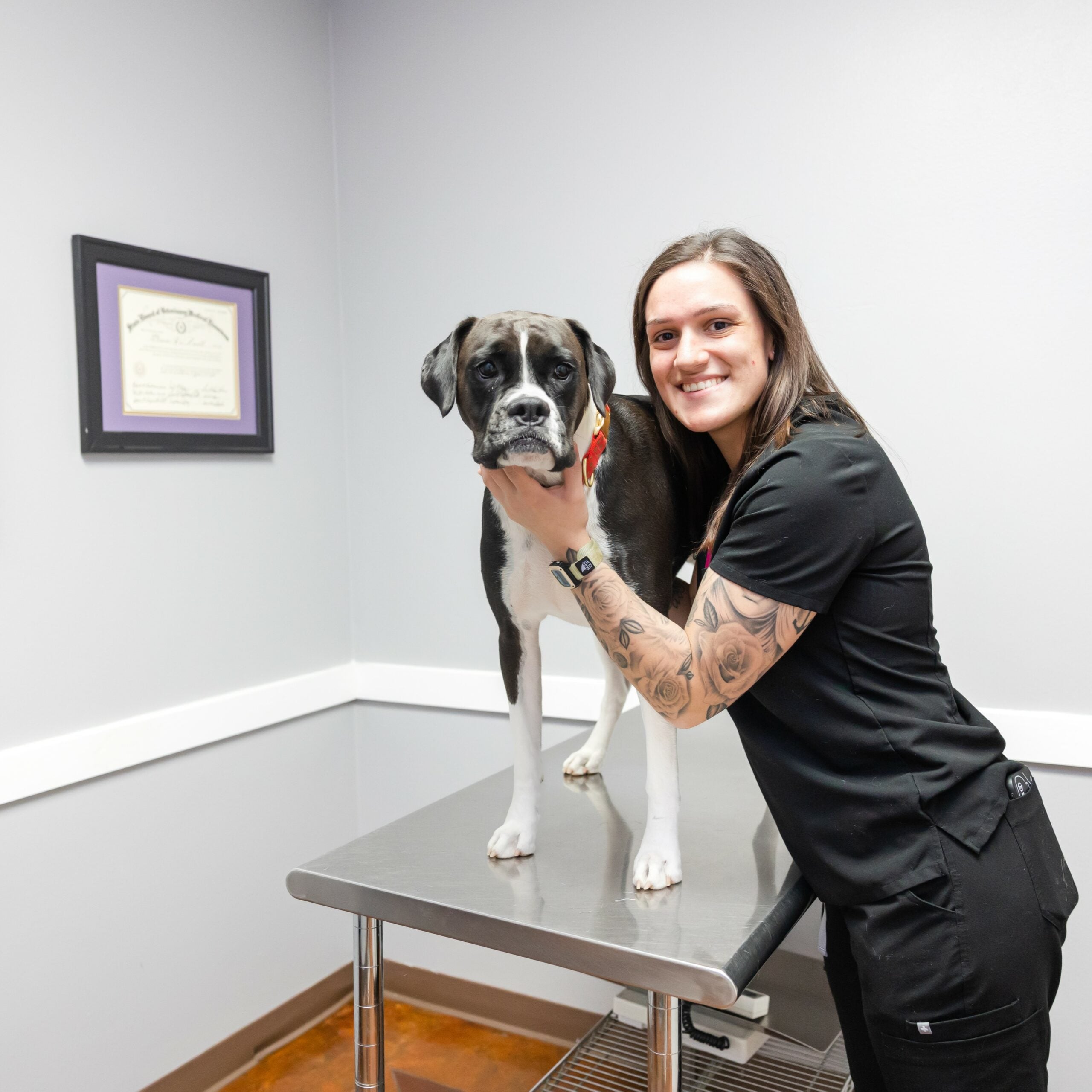
If you are considering a first wellness exam for a new puppy or kitten, you may feel a mix of eagerness and nervousness. A young pet brings energy and curiosity along with a set of lifelong health preferences that will start to form in these first visits. The veterinarian will likely emphasize a schedule designed to support healthy growth: the initial vaccination series, early parasite prevention, and dental care as soon as the first teeth appear. The owner’s job is to keep the momentum—to bring the animal back for boosters on the recommended timeline, to monitor for signs of illness at home, and to provide enrichment that promotes physical and behavioral development. For a senior pet, the exam often leans more heavily on chronic disease management and comfort. The clinician will review how well the pet tolerates medications, whether there are any side effects to watch for, and where flexibility exists to adjust a treatment plan as needed. In all cases, the focal point remains the same: preserve the animal’s quality of life while managing risk in a way that respects the family’s realities.
Edge cases remind us that wellness care is not a static ritual but a dynamic process. Some pets require more frequent monitoring than others, some households juggle financial constraints, and some animals have anxiety or chronic pain that complicates even routine visits. The veterinary team at prairievilleanimalhospital.com is trained to adapt, offering alternatives that reduce stress, such as scheduling shorter visits, using pheromone aids, or coordinating care with a familiar technician. The aim is to preserve trust and minimize discomfort while delivering the best possible medical care. In this sense, wellness exams function as both medical checkpoints and relationship milestones, reinforcing the partnership between pet, owner, and clinician.
In closing, a wellness exam at prairievilleanimalhospital.com is more than a routine checkup. It is a practical, evidence-based conversation about what matters most to your pet’s health today and how that health can be sustained over time. It invites questions and invites you to participate in decisions that affect daily life, from the food you place in the bowl to the way you structure daily exercise. The result is a plan that is concrete, doable, and responsive to changing circumstances. The animals benefit from that clarity, and the people who care for them gain confidence, knowing they are doing right by their companions.
If you are preparing for a visit, bring a short note about any changes since the last exam, a list of current medications or supplements, and questions you want to be sure to cover. It helps to be specific about your goals for the next few months—whether that means reducing weight, improving dental health, or simply maintaining a steady routine that supports overall well-being. The team at prairievilleanimalhospital.com will meet you halfway, translating clinical observations into everyday steps that you can act on. In the end, that shared effort is what turns a wellness exam into lasting health and happiness for a beloved pet.